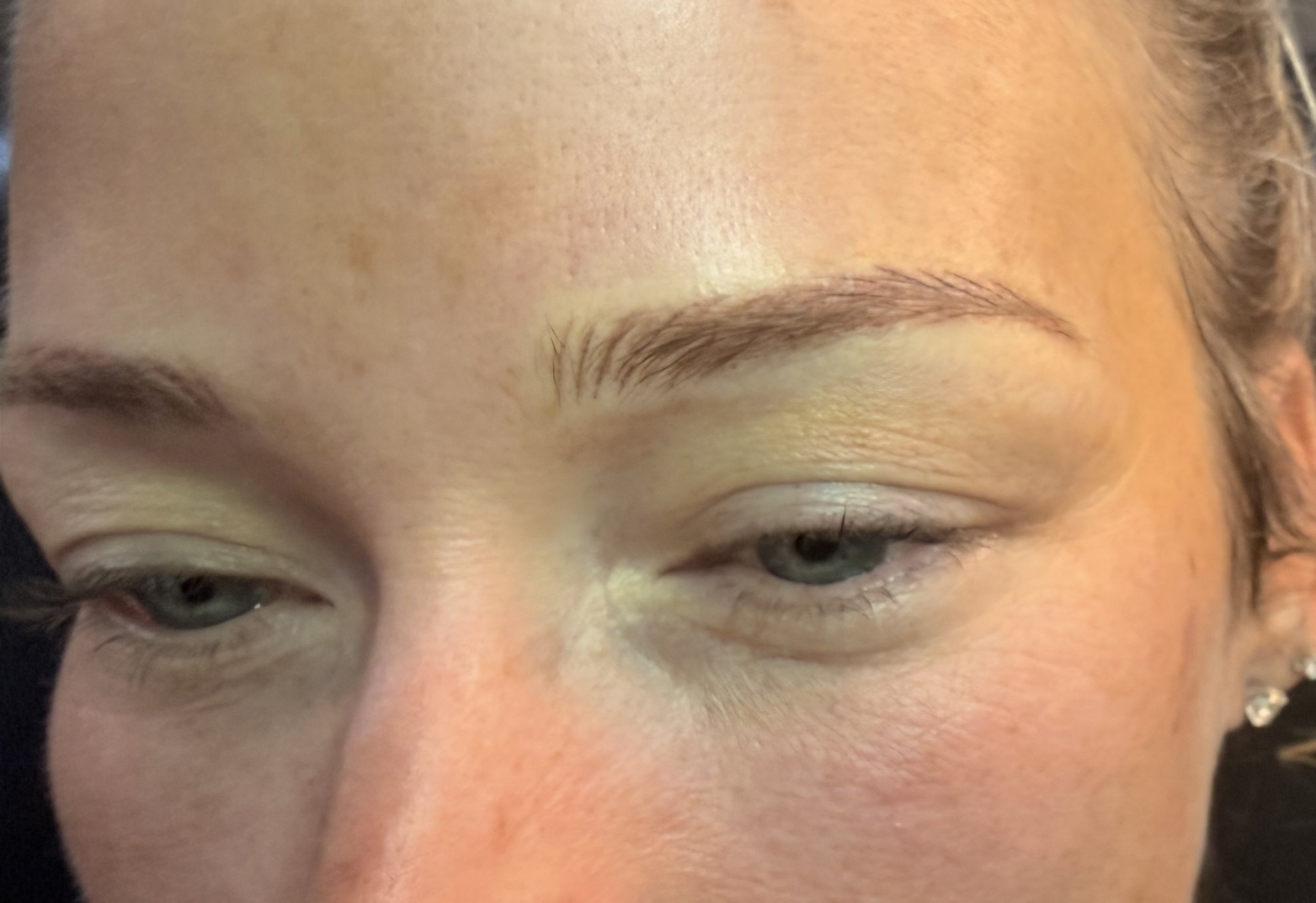
Nano Brows vs Microblading
Nano Brows vs. Microblading: Which Brow Technique Is Right for You?
If you’ve been researching permanent makeup brows, chances are you’ve come across two of the most popular techniques: nano brows and microblading. While both create fuller, more defined brows, the techniques, healing, and long-term results can be very different.
So how do you know which one is best for you?
Let’s break it down.
What Is Microblading?
Microblading is a manual technique that uses a handheld tool with tiny needles to create hair-like strokes in the skin. The goal is to mimic natural brow hairs for a soft, realistic look.
Best For:
Dry to normal skin
Clients with smaller pores
Those wanting a very natural, fluffy brow appearance
Younger skin with minimal texture
Pros:
Natural hair-stroke look
Great for filling sparse areas
Soft, realistic results when healed
Things to Consider:
Microblading creates small cuts in the skin, which means it may not heal as crisply on everyone. Oily skin, mature skin, large pores, or frequent sun exposure can sometimes cause strokes to blur or fade unevenly over time.
What Are Nano Brows?
Nano brows use a machine and a single ultra-fine needle to implant pigment into the skin. Instead of cutting the skin like microblading, the machine creates delicate pixelated hair strokes with less trauma.
The result? Hair-like brows with a softer, more refined finish.
Best For:
Oily skin
Mature skin
Sensitive skin
Clients who didn’t heal well with previous microblading
Anyone wanting longer-lasting hair strokes
Pros:
Less trauma to the skin
Better retention on many skin types
Softer healed results
Can look more natural over time
Often lasts longer than microblading
Things to Consider:
Nano brows are considered a more advanced technique and require precision and experience. Not every artist specializes in them yet.
Healing Differences
Microblading Healing
Microblading can heal slightly more textured or patchy depending on skin type. Some clients experience more scabbing or fading during the healing process.
Nano Brow Healing
Nano brows often heal softer and smoother because the skin experiences less trauma. Many clients also notice less redness and a more comfortable healing experience.
That said, healing always depends on:
Skin type
Aftercare
Lifestyle
Previous tattoo work
Medications and skincare products
Which Lasts Longer?
In many cases, nano brows tend to age better over time — especially on oily or mature skin.
Microblading strokes can sometimes blur or soften as the skin changes, while nano strokes often maintain a cleaner appearance longer.
Both techniques still require touch-ups and maintenance to keep brows looking fresh.
Can You Combine Them?
Absolutely.
Some artists combine machine shading with hair strokes to create:
Combo brows
Soft nano brows
Hyper-realistic brows with added density
This can be ideal for clients who want both definition and softness.
So… Which One Should You Choose?
There’s no “one size fits all” answer.
The best brow technique depends on:
Your skin type
Your lifestyle
Your desired makeup look
Your existing brow hair
Your long-term goals
If you want ultra-natural hair strokes and have ideal skin for it, microblading may be a beautiful option.
If you want a gentler technique with softer healing and better longevity on more skin types, nano brows may be the better investment.
Final Thoughts
Both nano brows and microblading can create beautiful results when performed by a skilled artist. The most important part isn’t just choosing the technique — it’s choosing an artist who understands skin, color theory, healed results, and what will work best specifically for you.
Beautiful brows should enhance your features, heal naturally, and fit your lifestyle — not just look good the day you leave the appointment.
If you’re unsure which technique is right for you, booking a consultation is the best place to start.